Blog
Instagram Ad Optimization: 5 Hooks That Stop the Scroll on Local Service Ads
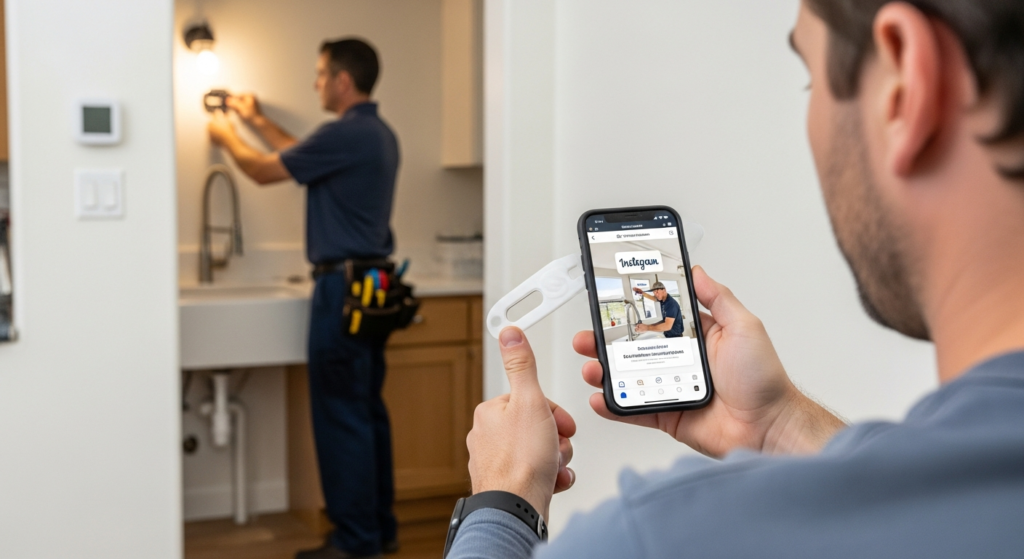
Most local service businesses waste half their ad spend in the first 1.5 seconds of a video. If your Instagram ad does not stop a user from scrolling immediately, your targeting, offer, and landing page do not matter. True instagram ad optimization starts at the very top of the script. When you run ads for a local business, you are not competing with other local businesses. You are competing with family photos, travel reels, and viral memes.
Why Most Local Ads Fail in the First Three Seconds
People do not open Instagram to find a plumber or an accountant. They open the app to escape. Your ad is an interruption to their passive entertainment loop.
If your ad starts with your company logo, a slow pan of your office, or an introduction of your name, you have already lost. The user has scrolled past. Their brain has classified your video as generic advertising before they even hear what you do.
To stop the scroll, you must create a pattern interrupt. You need to address a specific pain point or a localized reality within the first two seconds. This is the foundation of high-converting creative.
Five Copywriting Hook Templates for Local Service Ads
These templates are engineered to trigger immediate recognition. They force the user to self-select based on their current needs and problems.
1. The Specific Local Pain Point Hook
This hook targets a physical, annoying problem that the user is currently experiencing. It works because it describes a reality they want to escape.
The Template: “If your [specific local problem] is still unresolved, stop scrolling.”
The Example: “If your kitchen sink has been dripping since Tuesday, stop scrolling.”
This works because it is highly specific. It does not speak to everyone. It speaks directly to the person with water pooling under their cabinet.
2. The Cost of Inaction Hook
This hook targets the financial or logistical consequences of waiting to fix a problem. It creates urgency without relying on high-pressure sales tactics.
The Template: “What you will actually spend to fix [problem] if you wait another month.”
The Example: “What you will actually spend to fix your roof if you wait until the winter storms hit.”
By framing the issue around future loss, you appeal to the user’s natural desire to protect their bank account.
3. The Skeptical Contrast Hook
Local service buyers are highly skeptical of contractors and providers. This hook addresses that skepticism head-on by contrasting your process with the industry standard.
The Template: “Most [service type] companies charge for [basic thing]. We do not.”
The Example: “Most HVAC companies charge you eighty dollars just to show up. We do not.”
This instantly positions your business as transparent and customer-first, lowering the barrier to entry for a click.
4. The Immediate Benefit Question Hook
This hook focuses on the ultimate outcome the user wants, bypassing the tedious process of getting there.
The Template: “How to get [desired outcome] without [common frustration].”
The Example: “How to get your commercial lawn cleared this weekend without spending your Saturday managing a crew.”
It promises a shortcut to a positive result, which is highly appealing to busy business owners and homeowners.
5. The Direct Audience Callout Hook
Instead of dancing around the topic, this hook calls out the exact demographic you want to reach and names their primary headache.
The Template: “This is for the [specific target audience] who is tired of [specific pain point].”
The Example: “This is for the restaurant owner who is tired of paying thirty percent to delivery apps.”
Anyone who does not fit this description will scroll past. That is exactly what you want. It filters out unqualified clicks and preserves your ad budget.
How to Measure Hook Performance Without Vanity Metrics
Many agencies will report high impressions or thousands of video views. These are vanity metrics that do not pay the bills. To optimize your ads, you must track the exact behaviors that lead to revenue.
You should focus on three core metrics in your Meta Ads Manager dashboard. These numbers tell you exactly where your creative is succeeding or failing.
MetricWhat It MeasuresTarget BenchmarkHook Rate (3-Sec Video Views / Impressions)The percentage of people who stopped scrolling and watched at least three seconds.25% to 35%Outbound CTR (Click-Through Rate)The percentage of viewers who clicked the link to your website or lead form.1.5% or higherHold Rate (15-Sec Video Views / Impressions)The percentage of people who stayed to hear your full offer.10% to 15%
If your Hook Rate is below twenty percent, your opening line is failing. You do not need to change your offer or rewrite your entire script. You only need to film a new three-second opening.
Connecting Your Ad Creative to Your Lead Infrastructure
Stopping the scroll is only the first step. If your internal systems are not built to capture and route those leads immediately, you are still wasting your ad budget.
A high click-through rate means nothing if the lead sits in an unread spreadsheet for twenty-four hours. Local service leads freeze quickly. If you do not follow up within five minutes of submission, your conversion rate drops by over eighty percent.
Your marketing creative must connect directly to your database through automated lead routing. When a user clicks your ad and submits their information, your system should instantly trigger a notification to your team and an automated text message to the lead. This is how you convert passive scrolling into actual cash flow.
Building Ads That Convert Clicks Into Cash
Effective advertising is not about winning creative awards or getting viral likes. It is about building a predictable pipeline that keeps your crews busy and your revenue growing.
By replacing slow, brand-first introductions with high-contrast, problem-focused hooks, you protect your ad budget and capture the attention of high-intent local buyers. Test these five templates, track your hook rates, and ensure your backend infrastructure is ready to close the deal.